


Savings
LEARN ABOUT COPAY SAVINGS AND SUPPORT
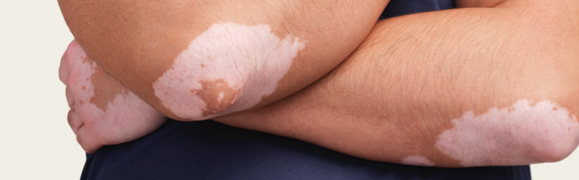

OPZELURA is indicated for the topical treatment of nonsegmental vitiligo in adult and pediatric patients 12 years of age and older.
Limitations of Use: Use of OPZELURA in combination with therapeutic biologics, other JAK inhibitors, or potent immunosuppressants such as azathioprine or cyclosporine is not recommended.
Nonsegmental Vitiligo
Savings
OPZELURA is indicated for the topical treatment of nonsegmental vitiligo in adult and pediatric patients 12 years of age and older.
Limitations of Use: Use of OPZELURA in combination with therapeutic biologics, other JAK inhibitors, or potent immunosuppressants such as azathioprine or cyclosporine is not recommended.
Serious lower respiratory tract infections were reported in the clinical development program with topical ruxolitinib.
No cases of active tuberculosis (TB) were reported in clinical trials with OPZELURA; however, cases were reported in clinical trials of oral JAK inhibitors to treat inflammatory conditions. Consider evaluating patients for latent and active TB infection prior to treatment. Monitor patients for the development of signs and symptoms of TB.
Viral reactivation, including cases of herpes virus reactivation, were reported in clinical trials with JAK inhibitors used to treat inflammatory conditions including OPZELURA. If a patient develops herpes zoster, consider interrupting OPZELURA treatment until the episode resolves.
Hepatitis B viral load (HBV-DNA titer) increases, with or without associated elevations in alanine aminotransferase and aspartate aminotransferase, have been reported in patients with chronic HBV infections taking oral ruxolitinib. OPZELURA is not recommended in patients with active hepatitis B or hepatitis C.
In a large randomized postmarketing safety study of rheumatoid arthritis (RA) patients 50 years and older with at least one cardiovascular risk factor, the following were higher with an oral JAK inhibitor than with a tumor necrosis factor (TNF) blocker:
all-cause mortality, major adverse cardiovascular events (defined as cardiovascular death, myocardial infarction, and stroke), thrombosis, malignancies (excluding non-melanoma skin cancer [NMSC]).
Consider the benefits and risks prior to initiating or continuing therapy with OPZELURA. Discontinue OPZELURA in patients who have experienced a myocardial infarction or stroke.
Malignancies were reported in patients treated with OPZELURA. Lymphoma and other malignancies have been observed in patients receiving JAK inhibitors used to treat inflammatory conditions. Patients who are current or past smokers are at increased risk. Inform patients about the symptoms of serious cardiovascular events and the steps to take if they occur.
Consider the benefits and risks prior to initiating therapy with OPZELURA, particularly in patients:
Non-melanoma skin cancers, including basal cell and squamous cell carcinoma, have occurred in patients treated with OPZELURA. Perform periodic skin examinations during OPZELURA treatment. Limit exposure to sunlight and UV light with protective clothing and broad-spectrum sunscreen.
Thrombocytopenia, anemia, neutropenia, lymphopenia, and leukopenia were reported in the clinical trials with OPZELURA. Consider the benefits and risks for patients who have a known history of these events prior to initiating therapy. Perform CBC monitoring as clinically indicated. Discontinue OPZELURA if symptoms associated with clinically significant decreases in laboratory values occur.
Treatment with oral ruxolitinib has been associated with increases in lipid parameters including total cholesterol, low-density lipoprotein (LDL) cholesterol, and triglycerides, as well as hypoglycemia in patients with diabetes.
In nonsegmental vitiligo, the most common adverse reactions (≥1%) are application site acne, application site pruritus, nasopharyngitis, headache, urinary tract infection, application site erythema, and pyrexia.
There is a registry that monitors pregnancy outcomes in persons exposed to OPZELURA during pregnancy. Pregnant persons exposed to OPZELURA and healthcare providers should report OPZELURA exposure by calling 1-855-463-3463 or visiting www.opzelura.pregnancy.incyte.com.
Advise women not to breastfeed during treatment with OPZELURA and for approximately four weeks after the last dose (approximately 5-6 elimination half-lives).
OPZELURA is indicated for the topical treatment of nonsegmental vitiligo in adult and pediatric patients
Patients treated with oral Janus kinase (JAK) inhibitors for inflammatory conditions are at risk for serious infections that may lead to hospitalization or death. These include:
Patients treated with oral Janus kinase (JAK) inhibitors for inflammatory conditions are at risk for serious infections that may lead to hospitalization or death. These include: